
As winter approaches, many of us prepare for cozy nights with warm beverages, and festive celebrations. But alongside all the joys of the season, colder weather also brings a set of challenges for our body especially for our digestive system. While most people focus on flu shots, warm clothes and moisturizers, one crucial aspect of health often gets overlooked is the gut health.

Your gut is not just where food gets digested it is also the hub of immunity, energy, mood, and overall well-being. In winter, when our eating patterns change, activity drops, and immunity becomes more vulnerable, taking care of your gut becomes more important than ever.
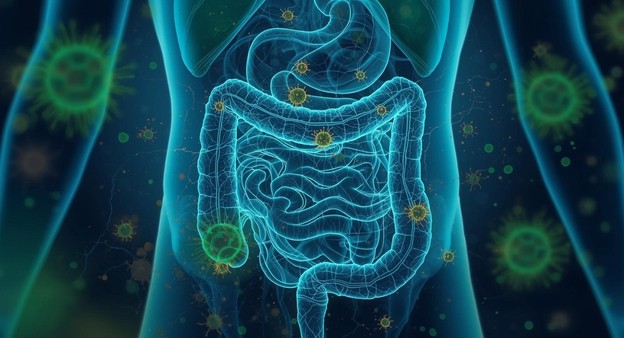
It may surprise you, but about 70% of your immune system resides in your gut. A balanced gut microbiome the community of bacteria and other microorganisms living in your digestive tract plays a major role in defending your body against harmful pathogens. When your gut is healthy, your immune system works smoothly. But when the balance of gut bacteria is disturbed (a condition known as dysbiosis), your body becomes more prone to infections.
Winter brings with it an increased risk of colds, flu, and other infections. With lower temperatures and more time spent indoors, viruses tend to spread more easily. That makes it more important than ever to support your immune system —and that support starts in the gut.
Cold Weather Changes Your Eating Habits
In winter, our food preferences change. We crave warm, rich, and hearty meals like soups, curries, fried snacks, and desserts. While comfort foods are satisfying, they often contain higher levels of fat, sugar, or calories, which can disrupt the balance of gut bacteria. At the same time, we may eat fewer fresh fruits and salads key sources of dietary fiber that feed beneficial gut bacteria. Fiber isn’t just roughage; it’s food for the good microbes living in your colon. Without it, beneficial species can decline, making way for less desirable ones.
Physical Activity Tends to Drop
Shorter days and colder temperatures mean fewer opportunities for outdoor exercise. When activity declines, so does gut motility the movement of food through your digestive tract. Reduced motility can contribute to slower digestion and constipation, which in turn affects gut comfort and health. Regular physical activity stimulates digestion, enhances blood flow to the organs, and even supports a diverse and healthy gut microbiome. So, staying active in winter isn’t just good for your heart and muscles it’s good for your gut too!
The Link Between Vitamin D, Immunity, and Gut Health
In winter, many of us spend less time in sunlight our major source of vitamin D. Vitamin D not only plays a role in bone health but also influences immune regulation and inflammation. Research suggests that vitamin D deficiency can impact the gut microbiota and weaken immune responses. Since gut health and immunity are so closely connected, a winter dip in vitamin D can indirectly affect how your gut functions and how well your immune system performs.
How to Support Your Gut in Winter — The Practical Guide
- Eat Gut-Friendly Foods Every Day
Feed your gut with the right nutrients. Include prebiotic foods such as onions, garlic, banana, oats, etc. Also, try to consume the probiotic foods which are yogurt, fermented foods like idli, dosa, kimchi, and Yakult which is a daily probiotic drink with billions of Lactobacillus Casei shirota strains to help you maintain friendly bacteria in your gut.
- Keep Hydrated — Even in Winter
When it is cold, you may not want to drink water, but water is essential for digestion and nutrient absorption. So aim for at least 8-10 glasses of water per day.
- Keep Moving — A Little Goes a Long Way
You don’t have to train for a marathon. Simple movements like a 20 minutes of walk after meal, some light yoga, and stretching routines can enhance your digestion and improve your gut mobility.
- Sleep Well and Manage Stress
Good sleep and low stress are surprisingly effective agents of gut health. Some normal sleep tips are maintain a consistent sleep schedule, avoid the screens at least one hour before bed. Also, meditate or practice deep breathing. A calm mind helps to regulate your gut-brain axis and supports smoother digestion.
- Be Mindful With Medications
If you catch a cold or flu and your doctor prescribes antibiotics, ask about probiotics too. Antibiotics can alter gut bacteria, and taking probiotics like Yakult either during or after your antibiotic course (as recommended by a healthcare professional) may help restore balance.
Winter is a season of comfort, celebration, and slowing down—but it also demands extra care for your body from the inside. With changing food habits, reduced activity, lower sunlight exposure, and a higher risk of infections, your gut works harder during the colder months. Since a large part of your immune system lives in the gut, keeping it balanced and healthy becomes essential for overall winter wellness.
This winter, choose to nourish your gut every day. Because when your gut is healthy, your immunity is stronger, your digestion feels better, and you’re free to enjoy the season with comfort and confidence—with Yakult by your side.